
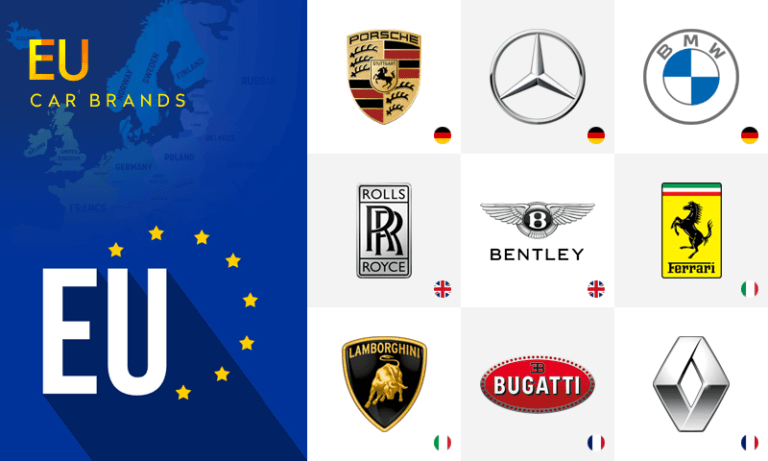
When the head of Spain’s automotive lobby, Josep Maria Recasens, said, «Europe is playing for the future of its car industry in 2025,» it wasn’t just corporate jargon. It was a doomsday prophecy. The European auto industry is in the midst of a perfect storm that has sent manufacturers—once the pride of the continent—spiraling down in stock markets, shedding jobs, and facing a crisis of identity and survival. For those who haven’t been paying attention, buckle up, because this ride is going downhill fast.
Here are seven crucial reasons why Europe’s once-thriving car industry is now speeding toward disaster.
1. Electric Dreams Turn Nightmarish
The electric vehicle (EV) revolution, once hailed as the savior of the planet and Europe’s car market, is now proving to be a double-edged sword. While carmakers like Volkswagen, Renault, and BMW scrambled to electrify their fleets, they also found themselves caught in a race they weren’t fully prepared for. EV development requires massive investments—think billions—and despite subsidies and green marketing, consumer demand for these battery-powered beauties isn’t growing as fast as anticipated.
Oh, and let’s not forget the competition from Tesla and China’s electric carmakers, who are outpacing their European counterparts like marathon runners lapping an elderly jogger.
2. The German Meltdown: Volkswagen vs. the Unions
Germany, the industrial heart of Europe, is feeling the burn particularly hard. Volkswagen, the behemoth that once symbolized German engineering might, is negotiating the largest job cuts in its history. The labor union IG Metall is not taking it lightly. “If necessary, tens of thousands will stand in front of the Volkswagen gates,” the union’s chief negotiator warned. Yes, it’s all fun and games until angry workers start picketing your plants.
Volkswagen is trying to slim down, shedding tens of thousands of jobs, as it faces shrinking profits, high costs, and massive investments needed for the EV shift. This corporate «diet plan» is leaving thousands of workers wondering if their jobs will soon be relics of the combustion engine era.
3. China’s Auto Invasion
Speaking of China, let’s talk about the elephant (or should we say dragon?) in the room. Chinese carmakers have been aggressively expanding into the European market, flooding it with competitively priced electric cars that are making European offerings look like overpriced paperweights.
Europe’s automakers simply can’t keep up with the lower production costs and massive scale of Chinese manufacturers. It’s like bringing a butter knife to a samurai sword fight.
4. The EV Charging Infrastructure Mess
Great, Europe wants everyone to drive electric. But where exactly are they supposed to charge these things? Europe’s charging infrastructure is lagging behind demand. Many countries lack sufficient charging stations, and those that exist are often incompatible or outdated. It’s a bit like rolling out a fleet of fancy airplanes before building the runways. Drivers are reluctant to switch to electric cars when charging one feels like embarking on a scavenger hunt.
5. Regulatory Overload: Can We Get a Break?
Europe has been at the forefront of emissions regulations. While that’s fantastic for the environment, it’s making life hell for automakers. The EU’s ever-tightening emissions standards have put enormous pressure on manufacturers, forcing them to invest heavily in green technologies, while simultaneously cutting profits.
It’s a little like running a marathon while wearing a weighted vest—and by the way, your competitors don’t have to carry any weights. U.S. carmakers aren’t bound by such strict environmental policies, and China? They’re already playing by a different rulebook entirely.
6. Rising Costs Meet Dwindling Demand
Add to this nightmare a toxic mix of rising costs for raw materials and energy (thanks, inflation) and plummeting demand for new cars. Many European consumers, hit by economic uncertainty, are opting to keep their older vehicles rather than splurge on new ones—especially when the shiny new option costs a fortune and might not have enough charging stations.
Meanwhile, the cost of producing cars—whether electric or traditional—is going up, making profit margins slimmer than a supermodel’s waistline.
7. The Death of Diesel
For years, diesel-powered vehicles were Europe’s bread and butter. But after the Dieselgate scandal, diesel is now the car industry’s black sheep. Sales of diesel vehicles have tanked, and European cities are rolling out diesel bans faster than you can say “carbon-neutral.”
While manufacturers scramble to electrify their fleets, they are still haunted by the ghosts of diesel past, with mountains of unsellable diesel cars sitting in lots like unsavory leftovers.
Can the Industry Be Saved?
So, what now? Well, the future looks grim unless European automakers can pull off a Houdini-like escape from this mess. They’ll need to keep up with Tesla, fend off Chinese rivals, electrify their fleets, and somehow do it all without bankrupting themselves or decimating their workforce. Oh, and maybe fix the charging infrastructure while they’re at it. No pressure, right?
If they don’t get it together by 2025, Europe’s proud car industry might just become another relic of a bygone era, leaving behind only memories of sleek German engineering and quaint French designs. Until then, the rest of us will sit back, grab some popcorn, and watch the slow-motion car crash unfold.
Let’s just hope there’s someone left to pick up the pieces.