
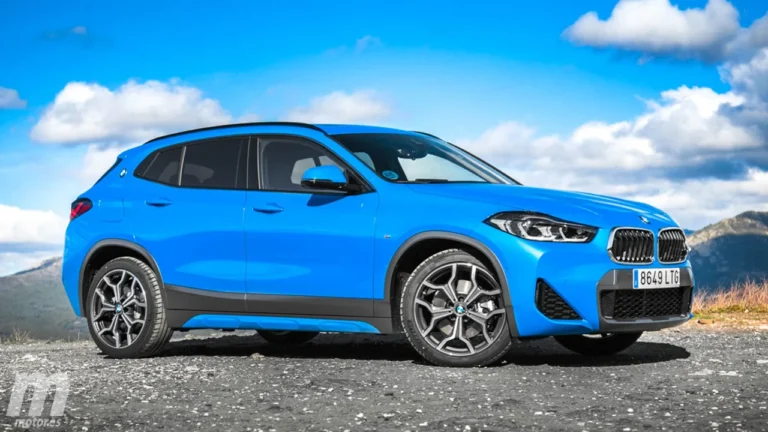
The European Commission has dropped a bombshell: Plug-in Hybrid Electric Vehicles (PHEVs), once hailed as the perfect eco-friendly compromise between traditional combustion engines and full electric cars, are now being exposed for their dark side. These supposedly green machines, marketed as the ultimate solution for urban and long-distance commuting alike, are about to face the harsh reality of new EU regulations. And guess what? The story isn’t as clean as their sales brochures make it out to be.
PHEVs: The Eco-Wolf in Sheep’s Clothing?
PHEVs seemed like the perfect solution: drive around the city in electric mode, zero emissions, no guilt, and a fatter wallet thanks to lower fuel costs. Need to take a long trip? No worries, just let that gasoline engine kick in and boom—you’re good for the journey. You even get to slap that Zero Emissions badge on the bumper, parading around like you’re part of the future, a warrior for the environment. But here’s the catch: it turns out that under real-world driving conditions, these hybrids might be dirtier than you think.
Let’s not beat around the bush—PHEVs are the ultimate automotive two-face. When they’re running in electric mode, they’re as innocent as lambs, but as soon as the gasoline engine takes over, they guzzle fuel like a frat boy on spring break. According to a recent study by Arval, real-world fuel consumption figures are jaw-dropping: PHEVs consume on average 279% more fuel than the official WLTP estimates. That’s right, you thought you were driving an eco-friendly car, but in reality, you’re just feeding an expensive gas-guzzler with a fancy battery.
The EU’s New Regulations: Emissions Skyrocket
The European Union has had enough of this charade. By 2026, the new Euro 6e regulations will come into force, and for PHEVs, this means exposing their dirty little secret: they emit way more CO2 than they officially claim. Take the BMW X1 xDrive25e PHEV for example, which proudly claims emissions of just 45 g/km. Under the new regulations, however, that figure jumps to a whopping 122 g/km—almost three times as much!
It’s like finding out your favorite vegan burger is made of actual beef. These regulations aim to correct the disproportionate amount of driving that PHEVs do on gasoline, rather than electricity. In real life, the average PHEV driver only spends 45-49% of their time on electric power. That’s a far cry from the lab tests where they’re practically tethered to charging stations and get their «low emissions» sticker.
Heavier, More Expensive, and Not Exactly “Green”
PHEVs are also becoming the heavyweight champions of the automotive world, and not in a good way. The average PHEV weighs 45-50% more than its combustion-engine counterpart, all thanks to that extra motor and battery you’re lugging around. That’s like signing up for a marathon and then strapping a dumbbell to your back, hoping no one notices. More weight means more fuel consumption when you’re not in electric mode, which of course means more emissions. How green is that?
And did I mention the cost? According to Arval’s deep dive into the world of PHEVs, they are on average 35% more expensive than traditional internal combustion engine (ICE) cars. You might be saving the planet (well, sort of), but your wallet is definitely feeling the pinch. Ironically, despite these sky-high prices, they’re still cheaper to own than diesel or gasoline cars, thanks to the generous government incentives for “eco-friendly” vehicles. What a deal, huh?
The Future of PHEVs: A Fading Green Mirage?
While the EU prepares to crack down on these hybrids, PHEVs have been enjoying quite the sales boom. Their electric range has ballooned from a mere 30 km in 2010 to a more respectable 120 km today. But let’s be real: this extended electric range isn’t going to save them from the regulatory axe. Unless car manufacturers come up with some miracle charging technology or everyone starts plugging in their hybrids like their lives depend on it, PHEVs may be headed for the dinosaur lot.
Even though 43% of companies are considering adopting PHEVs for their fleets in the next three years, their future looks uncertain. With new regulations on the horizon, the only thing that might be green about these vehicles in 2028 is the envy of full-electric vehicle owners zooming past them at charging stations.
In Conclusion: PHEVs, Time to Pull the Plug?
As the curtain lifts on PHEVs, one thing becomes clear: they’re not the green saviors they were once thought to be. While they do offer some benefits, especially for urban commuters with easy access to charging stations, the real-world reality is that they’re often just a heavier, more expensive, and somewhat sneaky version of your regular old gas guzzler. So, before you rush out to buy one, just remember—you might be swapping one devil for another, but this one comes with a higher price tag and a plug.