
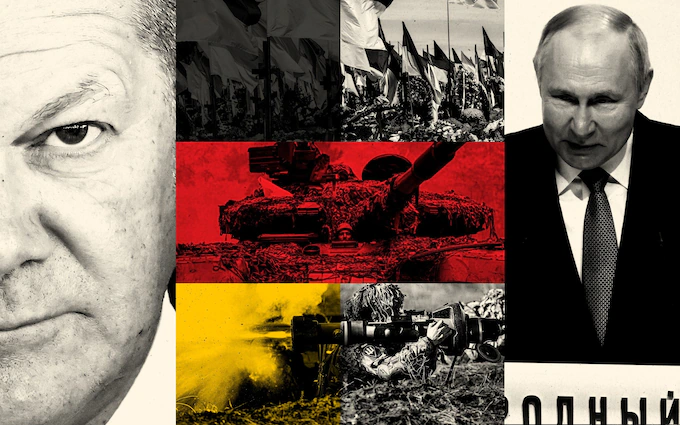
In a plot twist worthy of a Cold War thriller, German intelligence has unveiled that Russia is gearing up for a potential showdown with NATO by 2030. Yes, you read that right. It’s not the latest Hollywood blockbuster; it’s the latest intelligence assessment from Germany’s sharpest minds in espionage. So, grab your popcorn, because this is going to be a wild ride!
In the riveting trailer of this unfolding geopolitical drama, the German spies claim Russia’s recent antics have escalated beyond mere espionage. They’ve revealed an audacious attack last July where a package laden with explosives, sent from the Baltic, almost turned a DHL cargo plane into a flying fireball. Fortunately, a delay left the plane parked at Leipzig Airport, allowing everyone on board to live to tell the tale. Imagine the conversation: “Hey, remember that time we almost blew up in the sky? Good times!”
As if that wasn’t enough to get your heart racing, the German intelligence services have issued a wake-up call. They’re waving their red flags, reminding citizens that Russia views Germany as a top adversary, second only to the Ukraine support squad. For the Kremlin, Germany is the villain in their high-stakes action movie, and the stage is set for what could be a catastrophic sequel to history.
But hold on! Before you stockpile canned beans and start practicing your bunker-building skills, let’s sift through the facts. Paola Álvarez, the intrepid journalist on the scene, reported that the list of suspicious Russian activities is long, but only a few make the headlines. Remember that fire at the Berlin factory linked to missile production? Apparently, it was just “a technical failure,” and not an act of sabotage—right, because who needs enemies when you have technical failures?
And if you thought that was an isolated incident, think again. Several German military installations have discovered holes in their fences leading to water storage facilities. That’s right! It’s not just a security breach; it’s the Russian spy version of “Honey, I Shrunk the Kids”—tiny breaches with potentially huge implications. What’s next? A Russian spy wandering around in a giant inflatable suit to make deliveries? Talk about a covert operation gone wrong!
Let’s not forget the individuals detained in Lithuania for sending incendiary packages. It’s like a bad episode of “Who Done It?” where nobody knows who hired the actual culprit. The German authorities are on high alert, but it seems like they’re playing a dangerous game of “guess who” with the Kremlin.
Paola informs us that while the immediate threat appears to be directed at military and industrial targets, the average citizen should also be wary. It’s not that you need to don a tinfoil hat just yet, but staying informed is key. The government is doing its part by sending notes to citizens about the risks. After all, who wouldn’t want to receive official missives warning them of potential doom?
As the looming shadow of a Russian confrontation grows, Ricardo Marquina, a seasoned journalist with a keen eye on Russia, weighed in. He pointed out that while speculation runs rampant, there’s a belief in Moscow that they could take on the West—albeit with a grain of salt, of course. “Yes, the Kremlin has plans,” he says, “but do they really think they can win? Maybe they’re just trying to scare us into submission like a bad horror movie villain!”
As we look toward 2030, it’s clear that the geopolitical landscape is anything but dull. While fears of an impending Russian attack on NATO may sound alarming, perhaps we should all take a deep breath and remember: paranoia makes for great theater, but it’s the real-life dramas unfolding in international politics that keep us on the edge of our seats. So, as we head into this potential thriller of a decade, let’s hope for a plot twist that involves peace negotiations rather than explosions. After all, wouldn’t that make for a much better ending?