
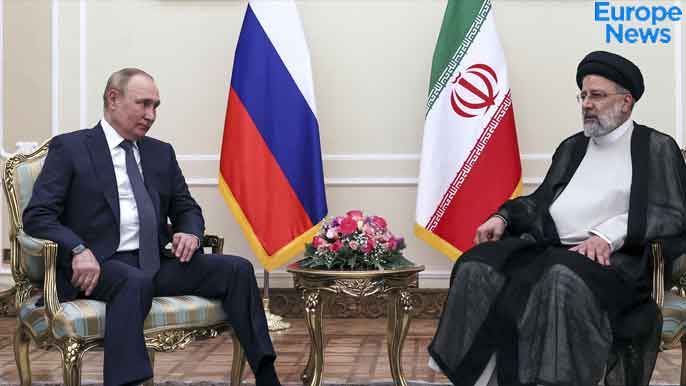
Kazan, October 27, 2024 — In an era where geopolitical tensions often make headlines, today’s BRICS+ Summit in Kazan, Russia, has taken the world stage, attempting to shatter the narrative of Russia’s supposed isolation. With more than 36 world representatives in attendance, Kazan has become the unlikely epicenter of an economic and political alliance that is determined to cement itself as more than just a collective of emerging economies. After all, what’s a little international friction when you can orchestrate a global reunion party in your backyard?
The Gathering of Giants… and Some Unexpected VIPs
If there was any doubt that Russia can still pull a crowd, the BRICS+ Summit should clear that up. High-ranking representatives including China’s Xi Jinping, India’s Prime Minister Narendra Modi, and Iran’s President Ebrahim Raisi have already exchanged warm handshakes and chilly side-glances, reminding onlookers that the BRICS nations aren’t just here to chat about trade anymore. This alliance is all grown up, with a clear aim to rebalance the global power scale. Russia and China—each with their own well-documented “disagreements” with the West—appear to be leading this charge, all while claiming, of course, that it’s “not against the West, but without it.”
Also, Turkey’s President Erdogan and UN Secretary-General António Guterres are scheduled to arrive, highlighting that it’s not just a BRICS meeting—it’s an international summit with some of the world’s most complex and interconnected relationships under one roof.
A Not-So-Subtle Challenge to the Dollar
Economic domination via the U.S. dollar has been a thorn in the side of BRICS members for years. Now, talk of an alternative international payment system to SWIFT has reemerged. This «BRICS Bank 2.0» promises a world where nations can trade in local currencies, dodge dollar dependencies, and avoid the all-too-familiar sting of Western financial sanctions. Russian President Vladimir Putin was all smiles as he talked about this gradual shift, careful to remind the world that BRICS nations aren’t rushing. “We’re learning from the Euro’s mistakes,” Putin said, with just a hint of sarcasm, referring to the EU’s currency struggles among diverse economies.
Russia’s Muscle-Flexing – Just in Case Anyone Doubts Their Resolve
In true form, Russia didn’t just roll out the red carpet—they rolled out the strategic nukes. Yes, while Xi Jinping’s plane glided peacefully into Kazan, it was reportedly escorted by Russian fighter jets, underscoring that Russia’s hospitality comes with a heavy side of defense. Adding to the mix, strategic missile exercises were conducted nearby. Coincidence? The BRICS organizers would likely say, “Of course,” with a grin that says otherwise.
The message is crystal clear: Russia’s ready for dialogue, but they’ve come prepared to show anyone who might think of causing trouble exactly what they’re up against.
Will BRICS+ Shift from Economic to Military Alliance?
While BRICS has historically been all about economic integration, recent whispers suggest that the alliance may soon take on a military dimension. Iran and Russia, for example, are reportedly in talks about a strategic agreement that could include defense clauses. When questioned about this, Russia’s representatives were as cagey as ever, but the significance wasn’t lost on anyone watching. If Iran, Russia, and China start solidifying their military bonds, the global chessboard could look very different in the coming years.
A Warning to Washington?
It’s no secret that the U.S. is watching BRICS with unease, especially as more nations sign up as observers and potential members. From Africa to Southeast Asia, emerging economies are finding appeal in the BRICS’ new offer: a multipolar world where countries don’t have to play by the West’s rules or risk forfeiting their financial reserves. While Western leaders downplay the significance of this shift, privately, the idea of a world bankrolled by BRICS’ own currency system and defended by a loosely affiliated military alliance is enough to make them sit up and take notice.
The irony here is rich: as Russia and China piece together their “new world order,” they’re doing so with a playbook that often resembles that of the Western powers they’re trying to sideline—just with more flair and fewer dollars. The Kazan summit has, in a single day, transformed the BRICS alliance into something the world can’t ignore.
The BRICS+ Vision: Global Collaboration, Minus the West
So, what’s the endgame for BRICS+? Their vision includes transforming the alliance into a powerhouse of the “Global South,” but with enough of a punch to challenge traditional Western structures like the IMF and World Bank. With Putin hinting at cooperation within Asia, Africa, and Latin America, one thing is clear: BRICS+ is not going away. If today’s summit was any indicator, we’re in for a long ride.